

Introduction
Flower travel is a wonderful way to explore the world while experiencing some of nature’s most beautiful creations. From colorful spring gardens and lavender fields to famous flower festivals and botanical parks, floral destinations attract travelers who want something more memorable than a traditional sightseeing trip.
Flowers can transform ordinary landscapes into breathtaking scenes. Different regions are famous for different blooms, making flower-focused travel an exciting opportunity to discover new places, cultures, traditions, and natural environments. Whether you enjoy photography, gardening, nature walks, or simply relaxing among beautiful scenery, planning a trip around flowers can be a rewarding experience.
What Is Flower Travel?
Flower travel refers to trips planned around flowers, gardens, floral landscapes, botanical attractions, or flower-related events. Instead of visiting a destination only for its historic buildings, beaches, or cities, travelers choose locations where flowers are a major attraction.
This type of travel can include visiting public gardens, exploring wildflower fields, attending flower festivals, walking through botanical gardens, or traveling during a particular blooming season.
The popularity of flower travel has grown because flowers provide a unique combination of natural beauty and cultural experiences. A destination may offer much more than flowers, but seasonal blooms can make the journey particularly special.
Why Is Flower Travel So Popular?
There are several reasons travelers are increasingly interested in floral destinations. One of the biggest is the opportunity to experience nature in a visually impressive way.
Flower-filled landscapes are also excellent for photography. Bright colors, unusual flower shapes, and expansive fields can create beautiful backgrounds for personal photographs and travel content.
Another advantage is that flower destinations often encourage slower travel. Instead of rushing between tourist attractions, visitors can spend hours walking through gardens, enjoying peaceful surroundings, and appreciating seasonal changes.
Flower travel can also introduce visitors to local traditions. Many communities organize annual festivals celebrating flowers that have historical, agricultural, or cultural importance.

Best Types of Flower Travel Experiences
There are many ways to enjoy a flower-focused trip. You do not need to visit only famous gardens or international festivals. Different experiences can suit different interests and budgets.
Botanical Gardens
Botanical gardens are among the easiest places to enjoy flowers while traveling. They often contain plants from different parts of the world and may have specialized sections dedicated to roses, orchids, tropical plants, or native species.
Many botanical gardens also provide educational information, guided tours, seasonal exhibitions, and photography opportunities.
Flower Festivals
Flower festivals combine floral displays with local entertainment, food, music, art, and cultural activities. These events can provide a deeper connection to the destination because visitors experience flowers as part of the local community.
Before attending a festival, check its dates carefully because many events are tied to specific blooming periods.
Wildflower Destinations
Wildflower landscapes offer a more natural experience. Instead of carefully designed gardens, visitors can explore meadows, hills, valleys, and other natural environments covered with seasonal blooms.
These locations can be particularly attractive to hikers and nature lovers. However, visitors should follow local rules and avoid picking flowers or damaging plants.
Famous Flower Fields
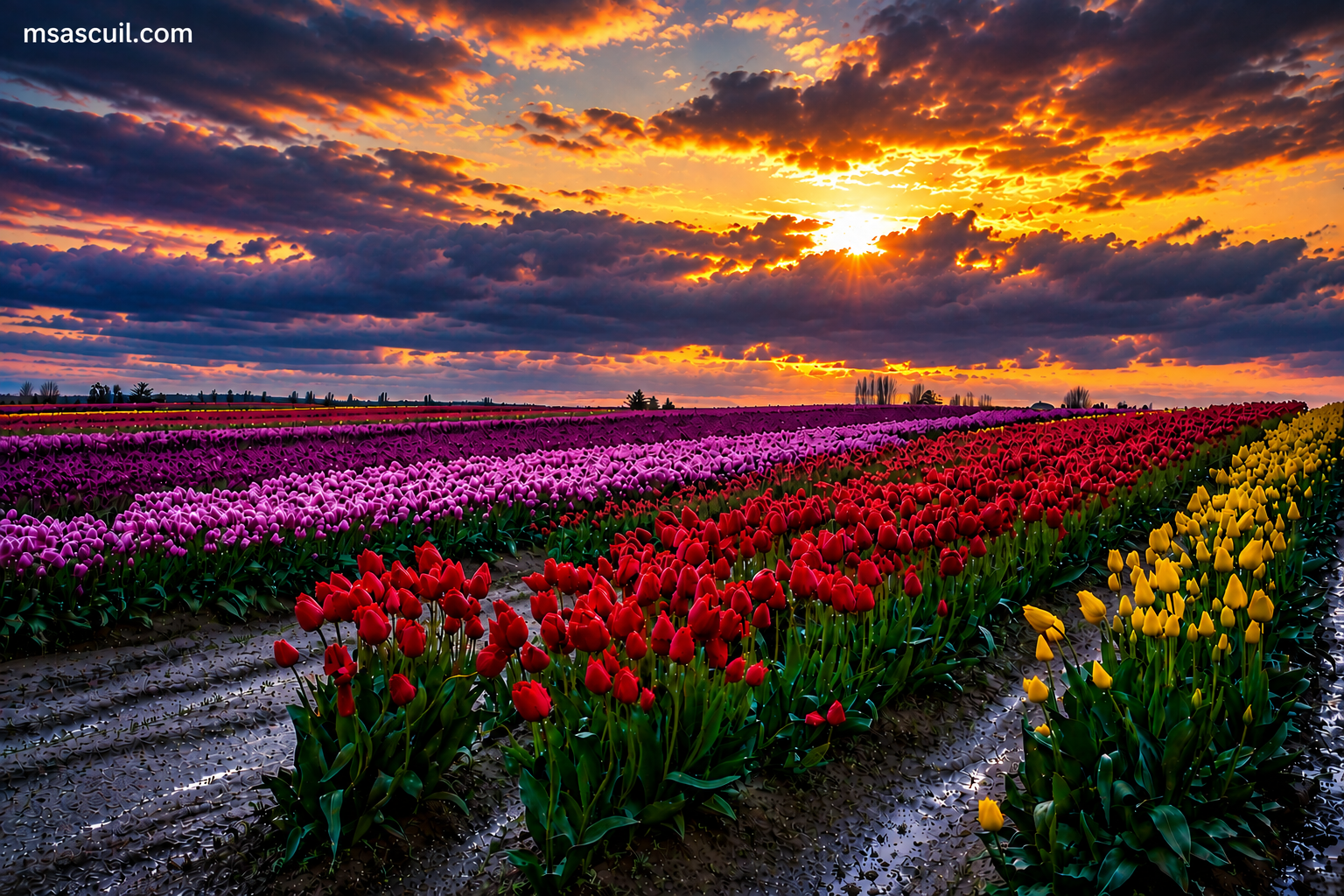
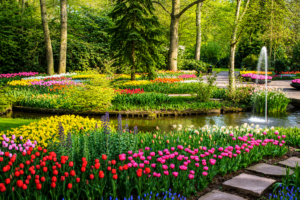
Large commercial or public flower fields can create spectacular views. Depending on the location and season, travelers may find tulips, lavender, sunflowers, poppies, or other colorful flowers.
The best time to visit depends heavily on weather conditions, so researching the expected blooming period is essential.
How to Plan a Flower Travel Trip
Good planning can make a flower-focused journey much more enjoyable. Flowers are seasonal, and their blooming periods can change depending on weather, temperature, and rainfall.
Start by choosing the flower you most want to see. Once you know the flower, research destinations where it grows naturally or is celebrated through gardens and festivals.
Next, identify the approximate blooming season. Do not assume that flowers will always bloom on exactly the same dates each year. Checking recent updates from local tourism organizations, gardens, or event organizers can help you choose a better travel window.
Accommodation should also be booked early if you are visiting a famous flower festival. Popular destinations can become crowded during peak blooming periods.
Flower Travel and Photography
Photography is one of the biggest attractions of flower travel. A simple garden can provide hundreds of interesting subjects, from individual petals to large landscape views.
Early morning can be an excellent time for photography because the light is often softer and popular locations may be less crowded. Overcast conditions can also create soft lighting that works well for close-up flower photographs.
When photographing flowers, try different perspectives instead of taking every image from standing height. Close-up details, low-angle shots, wide landscapes, and photographs that include people can all tell different stories.
If you are using a smartphone, cleaning the camera lens before taking photographs can make a noticeable difference in image quality.
How to Enjoy Flower Travel Responsibly
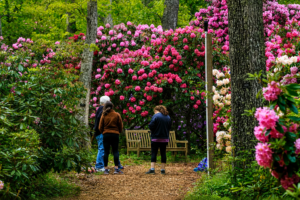
Beautiful natural environments should be treated with care. Travelers should follow posted instructions and avoid walking through restricted areas.
Never pick flowers unless the location specifically allows it. Some plants may be protected, rare, or important to local ecosystems.
Visitors should also avoid leaving litter behind and should respect other travelers who are enjoying the environment. Responsible tourism helps preserve floral destinations for future visitors.
If you are visiting a natural wildflower area, staying on designated trails can help prevent damage to plants and soil.
The Best Time for Flower Travel
There is no single best season for flower travel because different flowers bloom at different times.
Spring is popular for tulips, cherry blossoms, roses, and many other seasonal flowers. Summer can be ideal for lavender, sunflowers, wildflowers, and colorful garden displays. Autumn offers opportunities to see flowers that bloom later in the year along with changing foliage.
Winter may seem less suitable, but tropical botanical gardens, greenhouses, and indoor floral exhibitions can still provide excellent experiences.
The key is to research the specific flower and destination rather than choosing a travel month based only on general assumptions.
Making Flower Travel More Memorable
A flower-focused trip does not have to be limited to looking at plants. Consider combining your visit with local experiences such as traditional food, museums, historic attractions, walking tours, or cultural events.
You can also learn about the history of flowers in the region. Some flowers have strong connections with local traditions, celebrations, agriculture, or art.
Keeping a travel journal can make the experience even more meaningful. Record the flowers you see, where you found them, the season, and interesting facts you learned along the way.
Conclusion
Flower travel offers a beautiful way to combine nature, exploration, photography, and culture.
From botanical gardens to wildflower fields, there are countless floral experiences to discover.
Planning around blooming seasons can help you experience destinations at their most colorful and impressive.
With responsible travel and a little preparation, a flower-focused trip can become a memorable adventure.