




Introduction
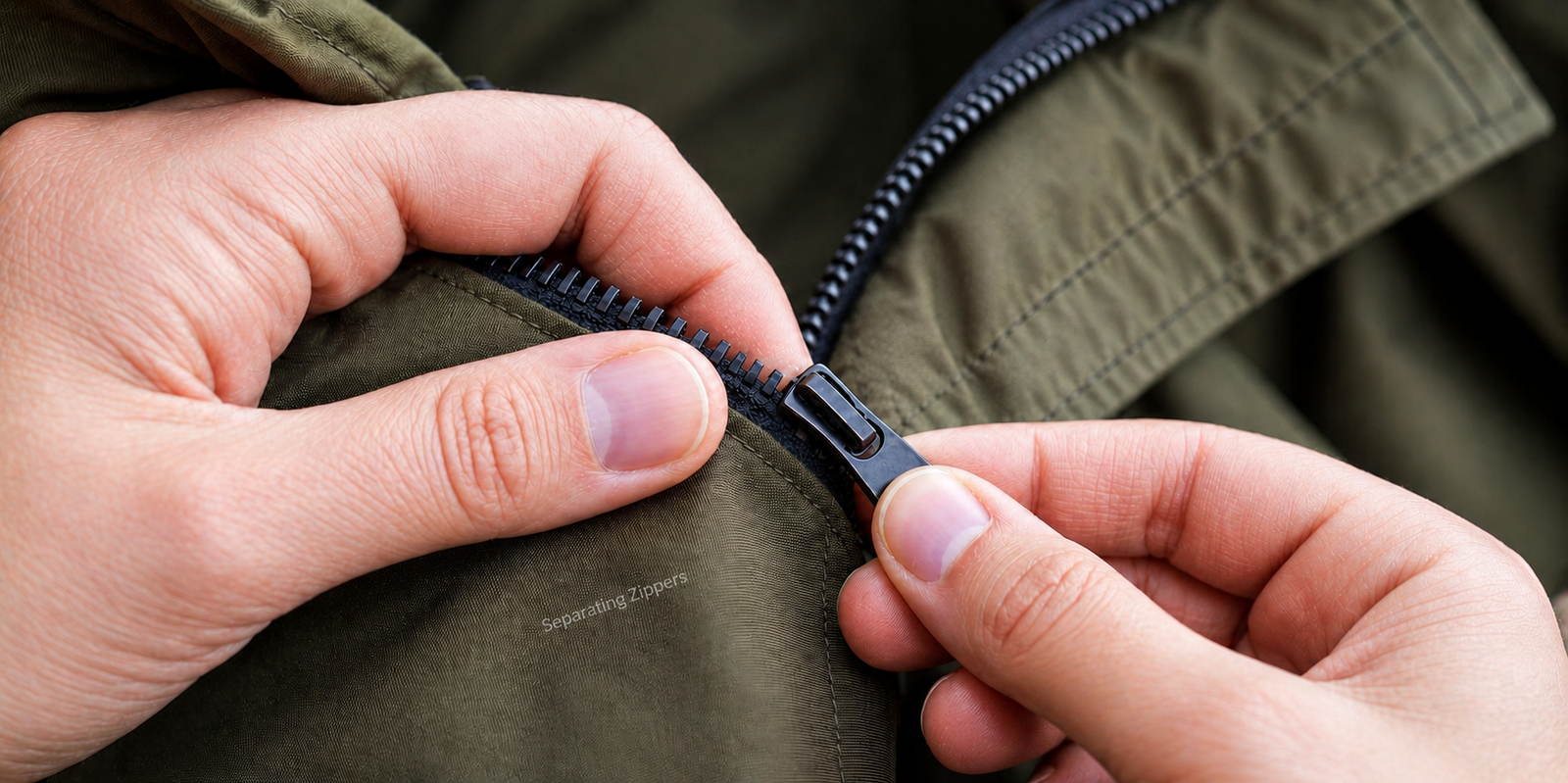
Separating zippers are an essential fastening solution for garments and accessories that need to open completely from both ends. Unlike conventional closed-end zippers, they allow the two sides of an item to separate fully, making them especially useful for jackets, coats, hoodies, bags, and other products that require convenient access.
Choosing the right zipper involves more than simply picking a suitable color. Size, material, teeth style, durability, slider design, and the intended application can all affect performance. Understanding these factors can help you select a zipper that works smoothly, looks professional, and lasts through repeated use.
What Are Separating Zippers?
Separating zippers are fasteners designed so that the zipper tape can completely detach at the bottom when the zipper is opened. This construction makes them different from closed-end zippers, which remain connected at one end.
They are commonly found in garments that need to be opened fully, such as:
- Jackets and coats
- Hoodies and sweatshirts
- Fleece and outdoor clothing
- Sportswear
- Uniforms
- Bags and cases
- Lightweight outerwear
The ability to separate completely makes these zippers practical for clothing that needs to be put on or removed quickly.
Types of Separating Zippers
There are several types available, and each offers different benefits depending on the application.
Coil Zippers
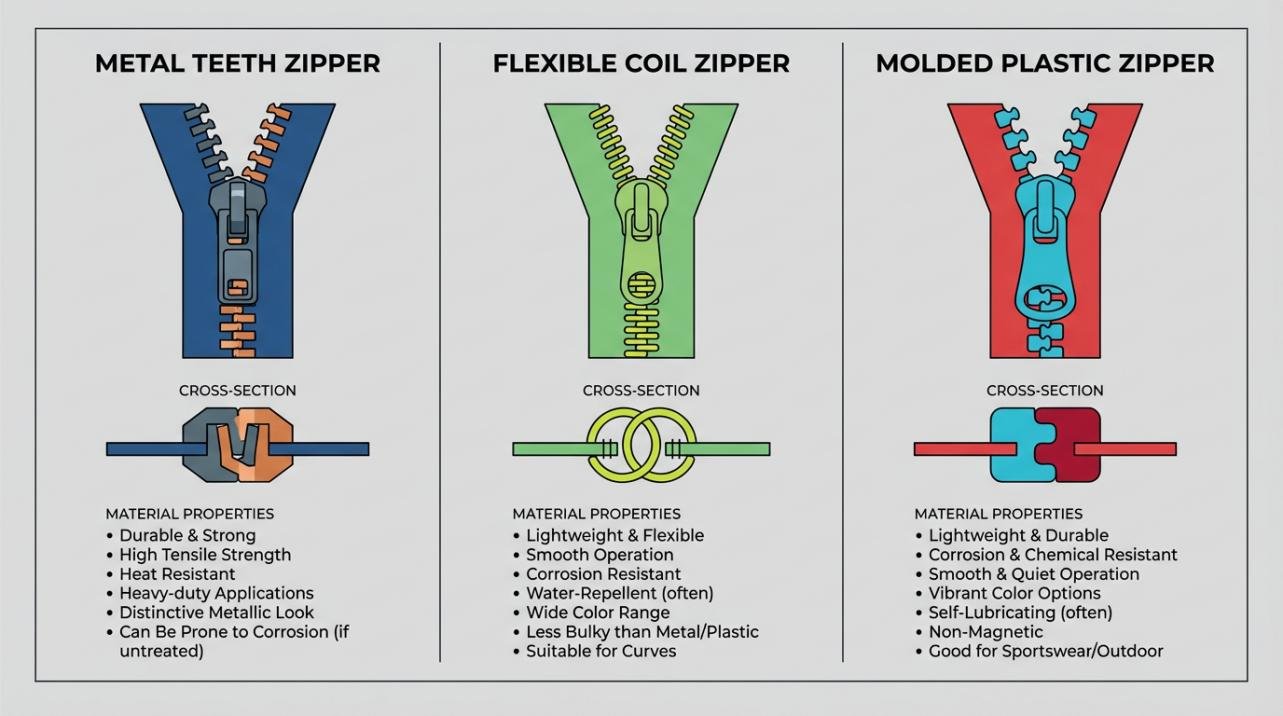
Coil zippers are made using a continuous spiral of synthetic material, commonly nylon or polyester. They are lightweight, flexible, and resistant to corrosion, making them suitable for everyday clothing and outdoor products. Their flexibility allows them to follow curved or slightly irregular surfaces without adding excessive weight.

Plastic Zippers
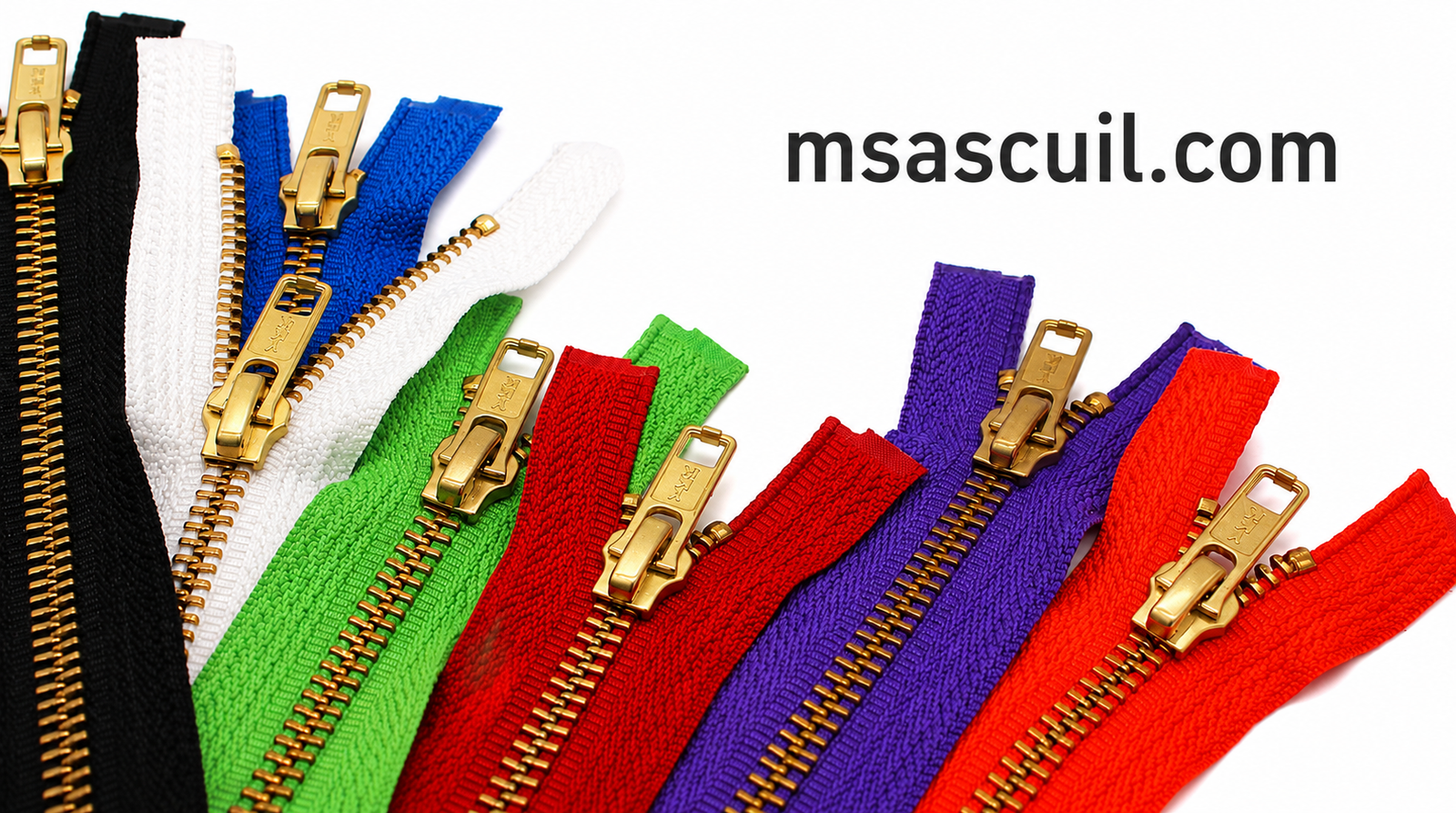
Plastic zippers feature molded teeth that are generally stronger and more rigid than traditional coil designs. They are frequently used in jackets, sportswear, children’s clothing, and outdoor garments.
They can also provide a bold appearance when contrasting colors are used.
Metal Zippers
Metal zippers use individual metal teeth, typically made from materials such as aluminum or other metal alloys. They are valued for their strength and distinctive appearance.
They are particularly popular for denim jackets, workwear, leather garments, and heavier outerwear where durability and style are important.
How to Choose the Right Separating Zippers
Selecting the right zipper requires consideration of several factors. The best choice depends on the product’s construction, expected use, and desired appearance.
Consider the Zipper Size
Zipper sizes are generally identified by numbers, with larger numbers representing larger and heavier zipper components. Lightweight clothing may require a smaller zipper, while heavy jackets or workwear can benefit from a larger, stronger option.
Before purchasing, measure the required zipper length carefully. A zipper that is too short may not provide sufficient opening, while an excessively long zipper can be difficult to install neatly.
Choose the Right Material
The material should match the product’s intended use. Nylon and polyester coil options work well for lightweight garments, while molded plastic provides additional rigidity. Metal can be a strong choice for demanding applications.
Think about factors such as:
- Expected frequency of use
- Weight of the garment
- Exposure to moisture
- Required flexibility
- Desired visual appearance
Check the Slider and Pull
The slider is responsible for moving the zipper teeth together and apart. A high-quality slider should move smoothly without catching, sticking, or separating the teeth incorrectly.
The pull tab should also be comfortable to use and appropriately sized for the product.
Why Quality Matters
A zipper may seem like a small component, but it can significantly affect the usability and lifespan of a product. Poor-quality separating zippers can develop problems such as broken teeth, damaged sliders, weak tape, or difficulty opening and closing.
High-quality zippers are designed to withstand repeated movement and maintain reliable performance. For manufacturers, choosing dependable components can also reduce returns and improve customer satisfaction.
For consumers, investing in a well-made zipper can help extend the useful life of a favorite jacket, hoodie, or bag.

Where Are Separating Zippers Commonly Used?
These zippers are versatile enough for both everyday and specialized products. Their most recognizable application is outerwear, but manufacturers use them across many categories.
Common applications include:
Jackets: Full-length opening makes them easy to put on and remove.
Hoodies: They provide an alternative to traditional pullover designs.
Sportswear: Lightweight designs support active movement.
Outdoor clothing: Durable options can withstand demanding conditions.
Bags: Larger versions can provide convenient access to compartments.
Uniforms: Reliable fastening is useful for work and professional clothing.
Conclusion
Separating zippers combine convenience, flexibility, and practical functionality, making them an important component in many garments and accessories. The right option depends on factors such as zipper size, material, slider design, durability, and the product where it will be installed.
Whether you are designing a new jacket, repairing an existing garment, or selecting components for manufacturing, taking time to compare zipper types can prevent common problems and improve the finished product.