



Introduction
Dojen Moe has emerged as one of the most talked-about trends in modern pop culture, blending cuteness, charm, and creativity. It started as a small idea among fans in Japan and slowly grew into something much bigger, reaching people around the world. Today, it can be seen in anime, games, fashion, and social media, mainly because of the emotional connection people feel toward it.
Origins of Dojen Moe
The story of Dojen Moe begins in Japan’s vibrant fan culture. Anime and manga have always emphasized character design, but Dojen Moe brought a fresh approach emphasizing innocence, playful charm, and exaggerated expressions that evoke strong emotional responses. The term “moe” captures affection for characters, while “dojen” comes from doujin, which refers to independently created works by fans. Together, they formed a style that allowed artists to experiment freely, creating characters that were both visually captivating and emotionally engaging. In the late 1990s and early 2000s, these works started to appear in small publications, online forums, and local conventions. Though niche at first, the style slowly gained recognition among wider audiences.
How Dojen Moe Spread Globally
Digital Platforms and Communities
The internet played a critical role in expanding Dojen Moe beyond Japan. Social media platforms like Instagram, TikTok, and X allowed artists to share fan art, illustrations, and animations with a global audience. Communities formed around this trend, where fans could discuss, create, and celebrate their favorite characters.
Viral Trends and Fan Engagement
Memes, cosplay challenges, and short video content helped bring Dojen Moe into the spotlight. Even those unfamiliar with anime began to recognize and appreciate the charm of these designs, making the trend highly accessible.
Dojen Moe in Anime, Manga, and Gaming
Anime and Manga Influence
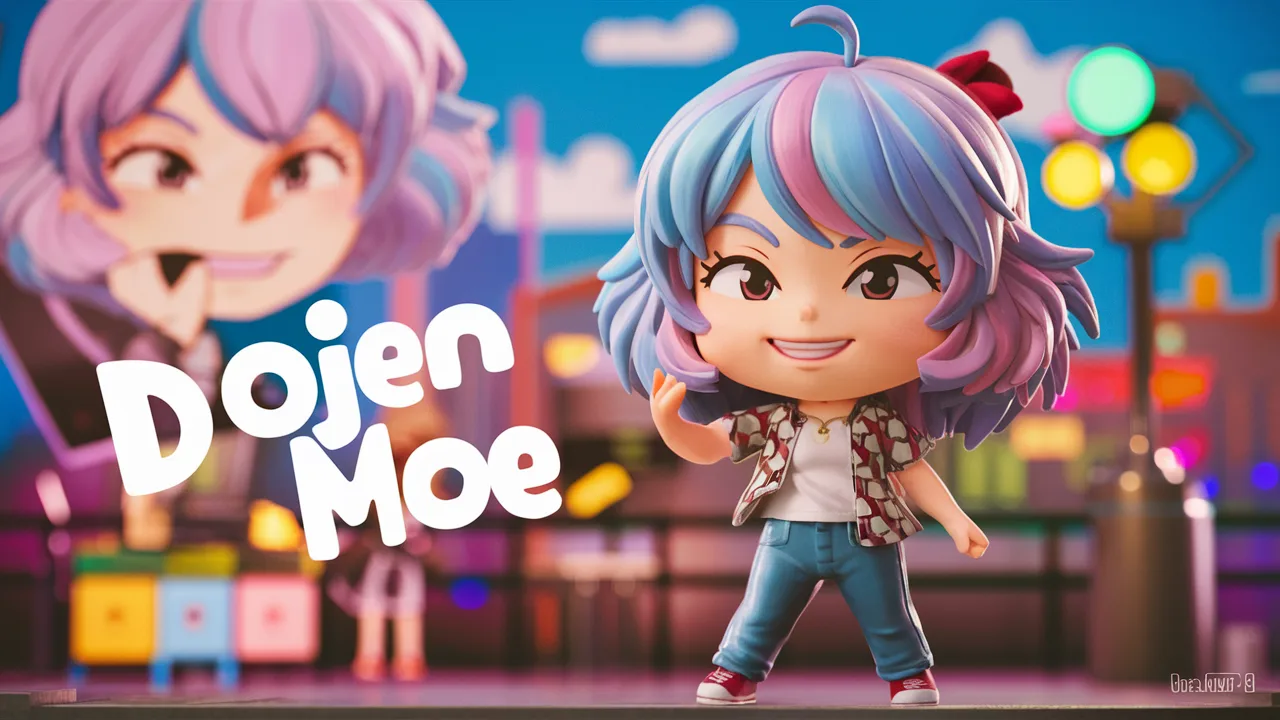
Many modern anime and manga characters now incorporate its elements big expressive eyes, soft pastel colors, and playful personalities. These characters quickly form emotional connections with viewers, which is a key part of why the trend has grown so popular.
Impact on Video Games
Gaming is another space where It thrives. Developers design characters in the style to make them more appealing and relatable. Visual novels, role-playing games, and mobile apps often use Dojen Moe-inspired aesthetics to engage players on a deeper emotional level.
Cultural Significance and Influence
Dojen Moe has become a bridge between cultures, allowing artists from around the world to blend Japanese aesthetics with their own creative traditions. Beyond visuals, it gives people a way to express emotions and identity through art that feels personal and relatable.
Global Creative Exchange
It has inspired artists worldwide to combine Japanese aesthetics with local art styles, resulting in fresh, hybrid creations. This cross-cultural dialogue enriches global pop culture and introduces audiences to diverse artistic expressions.
Expression of Identity
For fans, Dojen Moe is more than art it’s a form of personal expression. People adopt the style in fashion, social media, and creative projects, celebrating creativity, imagination, and emotional authenticity.
Commercial Impact
Dojen Moe’s appeal extends to merchandise and fashion. Collectibles, figurines, apparel, and accessories featuring Dojen Moe-inspired designs are in high demand. Brands collaborate with artists to release limited-edition items, making the trend both a cultural and commercial success. Marketing teams also use the style to make campaigns approachable and playful, especially when targeting younger audiences.
Criticism and Challenges
No trend is without controversy, and Dojen Moe faces its share. Critics argue that the idealized character designs may create unrealistic expectations about beauty and behavior. There are also concerns about cultural misrepresentation when the style is adapted outside its original context. Discussions around gender portrayal and emotional effects are ongoing, encouraging creators to think carefully about responsibility and inclusivity.
The Future of Dojen Moe
It continues to evolve. With advances in technology, creators are experimenting with VR, AI-assisted art, and interactive media to expand the concept further. Global conventions and online festivals offer spaces for fans to celebrate, collaborate, and innovate. Because its foundation is creativity and emotional resonance, It has the flexibility to grow with cultural shifts while maintaining its core charm.
Conclusion
From its modest beginnings in Japanese fan circles to a beloved global trend, Dojen Moe has proven its staying power. It inspires artists, entertains audiences, and fosters creative communities worldwide. Despite criticisms, its adaptability, emotional appeal, and aesthetic charm ensure that it will continue to shape art, media, and youth culture for years to come. It isn’t just a trend it’s a celebration of imagination, creativity, and human connection.