








Introduction
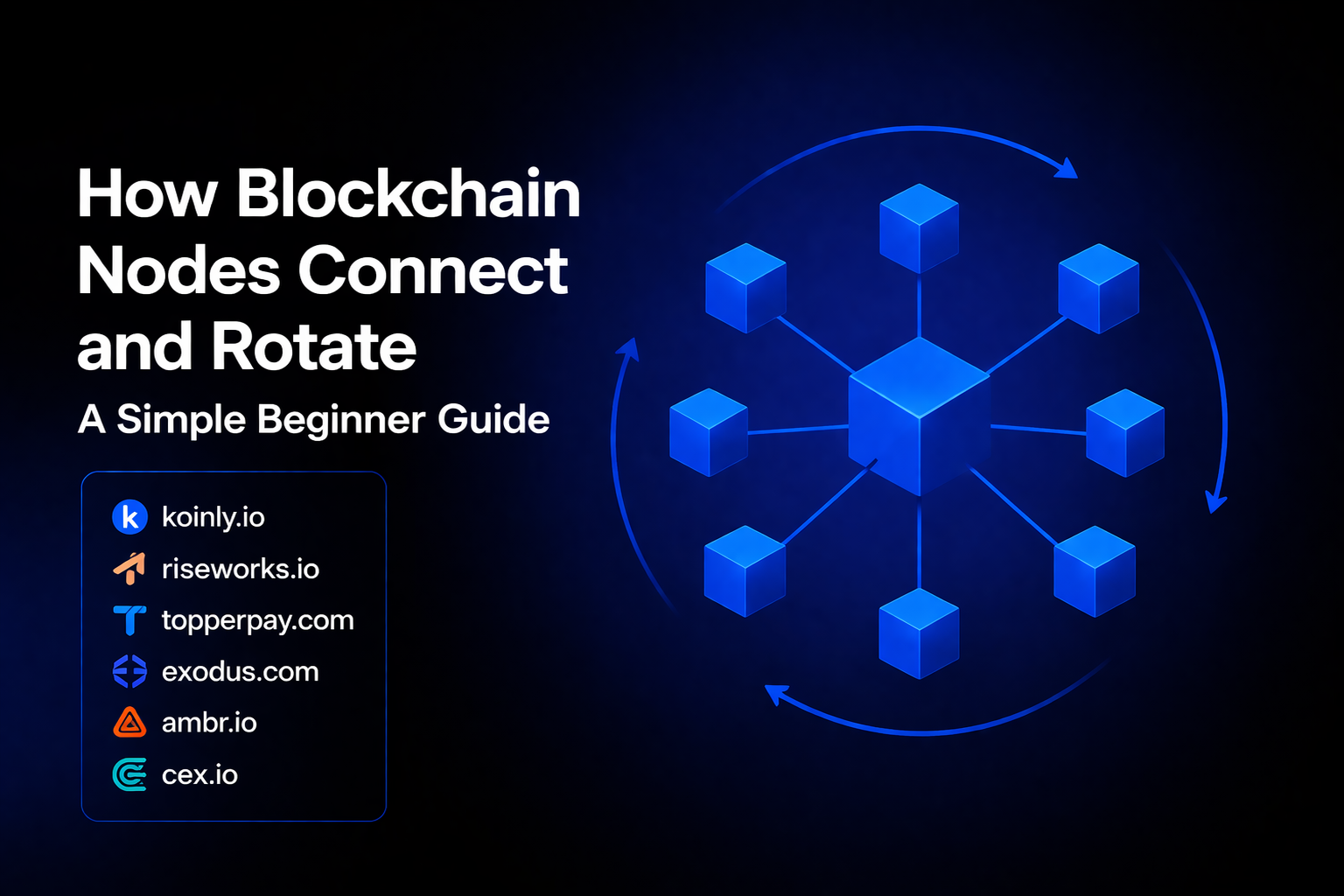
Blockchain technology may seem complex at first, but understanding how its core components work can make everything much clearer. One of the most important parts of any blockchain network is the node. Nodes are individual computers that connect to the blockchain, store data, and help verify transactions. Without nodes, a blockchain simply cannot function. They keep the network decentralized, secure, and transparent by constantly communicating with each other.
Another key concept is how these nodes connect and rotate within the network. Nodes don’t stay fixed in one position — they continuously interact, update, and sometimes change roles to maintain blockchain nodes connect and rotate efficiency and security. This rotation process helps prevent centralization blockchain nodes connect and rotate and ensures that no single participant gains too much control. In this beginner guide, we’ll break down how blockchain nodes connect, how rotation works, and why these processes are essential for a healthy blockchain system.
What Is Blockchain Node Connection and Rotation?
Blockchain node connection refers to how different nodes (computers) link together in a peer-to-peer network to share and verify information. Each node communicates with others to ensure that all data, such as transactions and blocks, remains accurate and up to date across the entire system.
Node rotation is the process by which nodes change their roles or positions within the network over time. This helps distribute responsibilities evenly, improves network performance, and strengthens security by reducing the risk of manipulation or control by a single node or group.
Uses of Blockchain Node Connection and Rotation
- Maintains Network Security Node connections and rotation to help protect the blockchain from attacks. By constantly changing roles and distributing control, it becomes very difficult for hackers to take over the network.
- Ensures Decentralization, these processes prevent any single node or group from controlling the system. This keeps the blockchain truly decentralized and fair for all participants.
- Improves Data Accuracy Connected nodes continuously verify and share information. This ensures that all transaction data is correct and consistent across the network.
- Enhances Network Performance node rotation of nodes helps blockchain nodes connect and rotate to balance the workload among different nodes. This improves the overall speed and efficiency of the blockchain system.
1. Koinly

Koinly is the easiest way to track your crypto activity and generate accurate tax reports! Staying true to our goal, we’re continually evolving the service to save you time and energy. With our Help Center resources, stacked YouTube channel, active socials, and phenomenal support team, Koinly wants to see you fly through tax season! By providing every advantage to succeed with available information and customer support.
Basic Information :
Official website: https://koinly.io
Founded: 2019
Location: London
Best for: Crypto investors who want easy tax reporting and portfolio tracking
Features:
Crypto tax reporting and portfolio tracking
Automatic transaction syncing via API or CSV
Generates tax reports based on country rules
Pricing:
Free plan available (limited features)
Paid plans start from around $49/year
Pros:
Beginner-friendly interface
Wide integration support
Accurate tax calculations
Cons:
Advanced features are only available in paid plans
Can be complex for very large portfolios
2. Riseworks
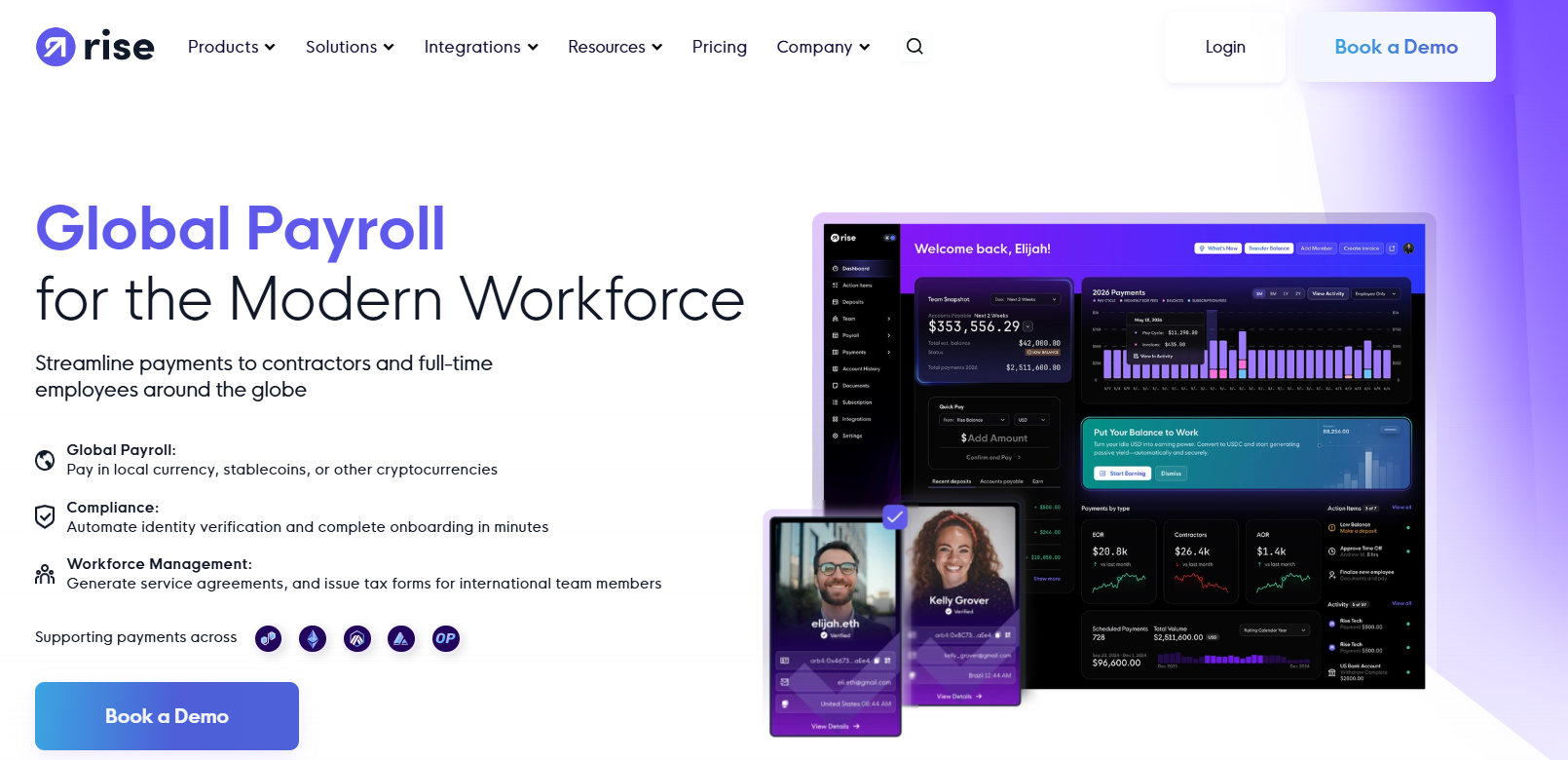

Rise is redefining how global teams get hired, paid, and managed – all in one seamless, compliant platform. As the modern workforce evolves, so should the tools that support it. Rise is the leading global payroll and compliance platform built for today’s hybrid, remote, and international teams. Whether you’re paying contractors or full-time employees, Rise offers a flexible, automated solution for managing payroll in fiat, stablecoins, or over 100 cryptocurrencies across 190+ countries.
Basic Information :
Official website: https://www.riseworks.io
Founded: 2019
Location: New York, NY
Best for: Companies hiring remote global teams
Features:
Employer of Record (EOR) services
Global hiring and payroll management
Compliance and HR automation
Pricing:
Global Contractor Payout starts from 49$
Employer of Record start from 399$
Pros:
Simplifies international hiring
Handles legal compliance
Cons:
Pricing not transparent
More suitable for businesses, not individuals
3. Topperpay
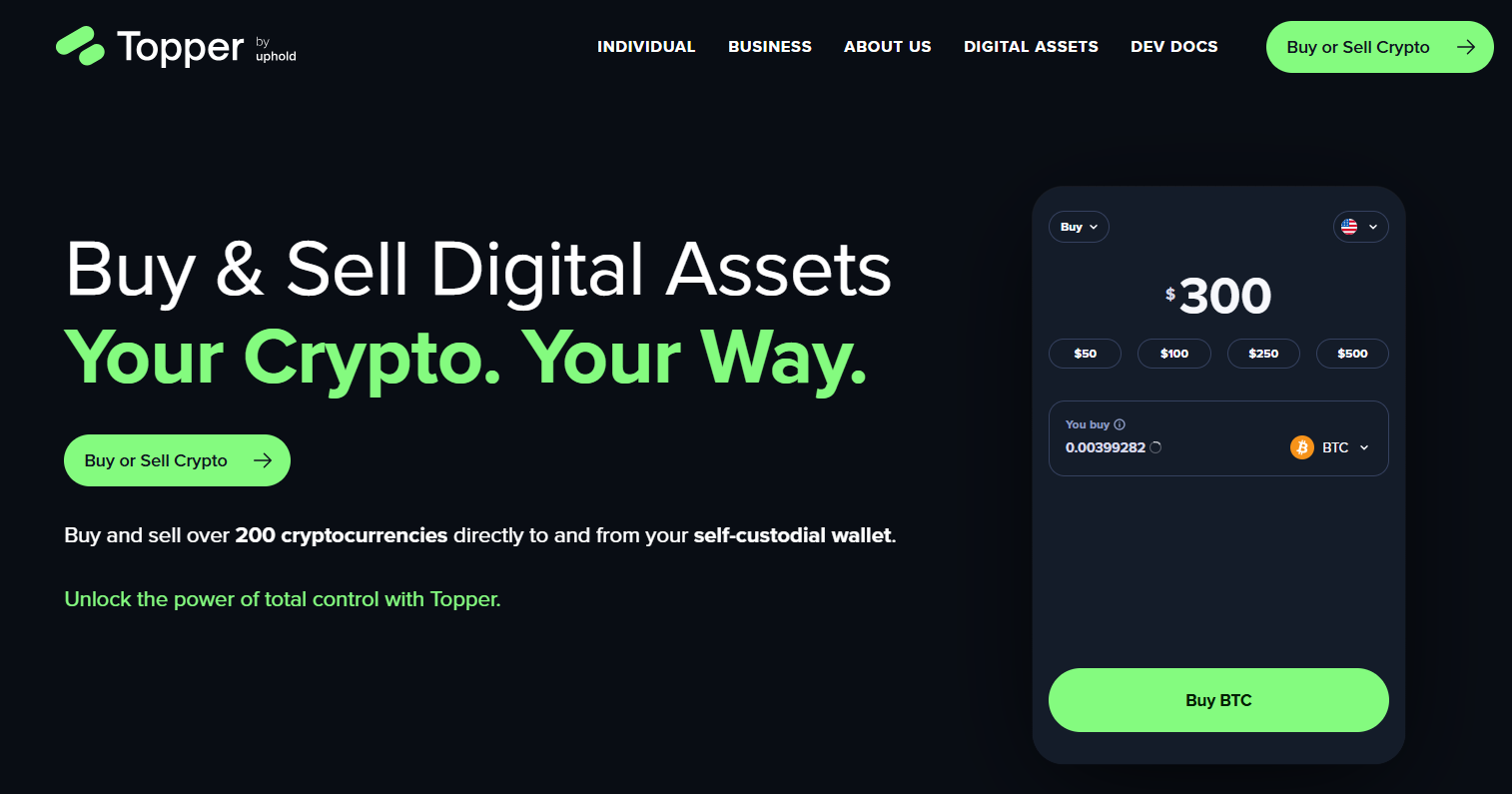

Topper is a seamless fiat-to-crypto on-ramp and off-ramp designed to make buying and selling digital assets fast, flexible, and user-friendly. Developed by Uphold, a trusted Web3 financial platform, Topper stands out with higher approval rates and broader crypto support than other on-ramp providers—supporting over 200 cryptocurrencies, including Bitcoin, Solana, stablecoins, and meme coins.
Basic Information :
Official website: https://www.topperpay.com
Founded: 2013
Location: New York, NY
Best for: Apps and users needing quick crypto purchases
Features:
Crypto fiat on-ramp solution
Allows users to buy crypto with cards
Integration for apps and wallets
Pricing:
Transaction-based fees (varies by region and payment method)
Pros:
Easy crypto purchases
Fast transactions
Cons:
Fees can be high
Limited features beyond payments
4. Exodus
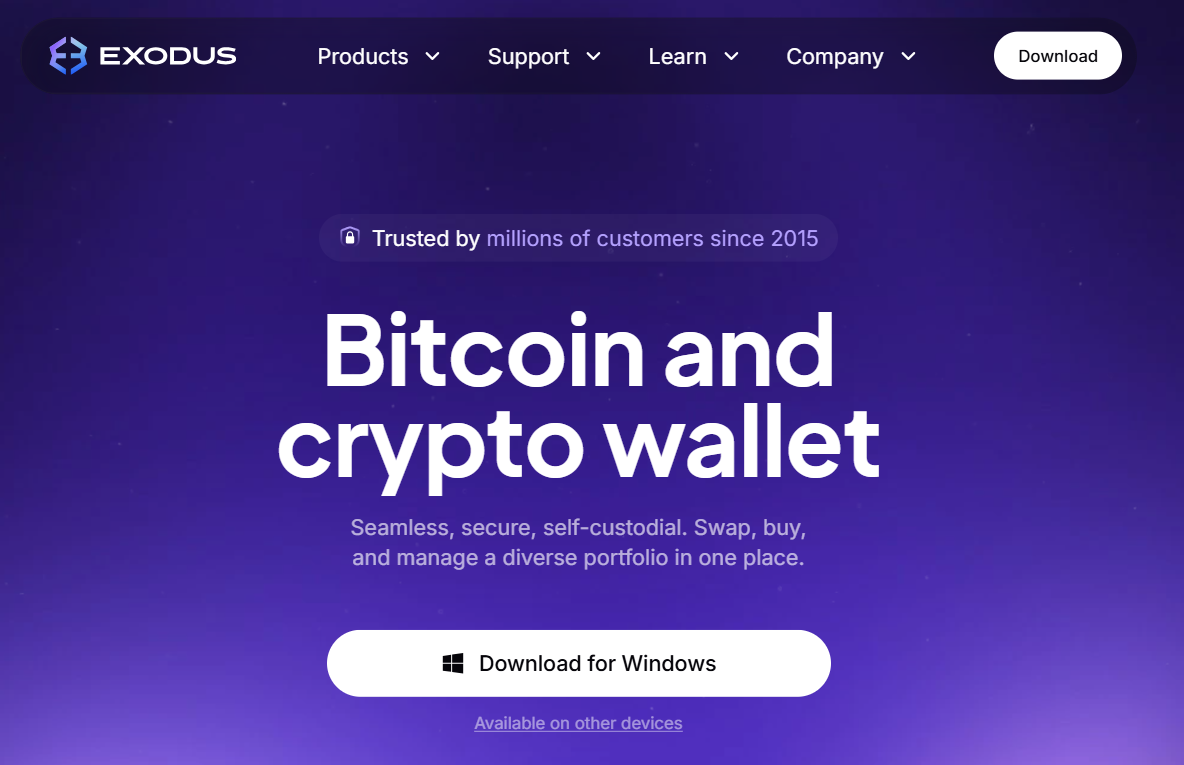

Exodus is a secure user-friendly crypto wallet where you can store, manage and swap all of your blockchain assets in one place. We are a one hundred percent remote company with people working for us across 44+ countries. We offer our team location autonomy and the option to choose their own hours. Come join us help half of the world exit the traditional financial system.
Basic Information :
Official website: https://www.exodus.com
Founded: 2015
Location: United States
Best for: Beginners who want a simple crypto wallet
Features:
Crypto wallet (desktop & mobile)
Built-in exchange
Supports multiple cryptocurrencies
Pricing:
Free to use (network fees apply)
Pros:
Beautiful and simple UI
Beginner-friendly
No account required
Cons:
Not fully open-source
Limited advanced trading tools
5. Ambr


Amber International Holding Limited (Nasdaq: AMBR) is a leading provider of institutional crypto financial services & solutions, operating under the brand name “Amber Premium.” As a subsidiary of Amber Group, it provides institutional market access, execution infrastructure, and investment solutions to help institutions and high-net-worth individuals optimize their digital asset portfolios.
Basic Information :
Official website: https://www.ambr.io
Founded: 2018
Best for: Developers and businesses working in Web3 infrastructure
Location: Hong Kong
Features:
Web3 and blockchain infrastructure tools
Data analytics and node services
Pricing:
Custom pricing based on usage
Pros:
Advanced blockchain tools
Scalable solutions
Cons:
Not beginner-friendly
Limited public information
6. Cex
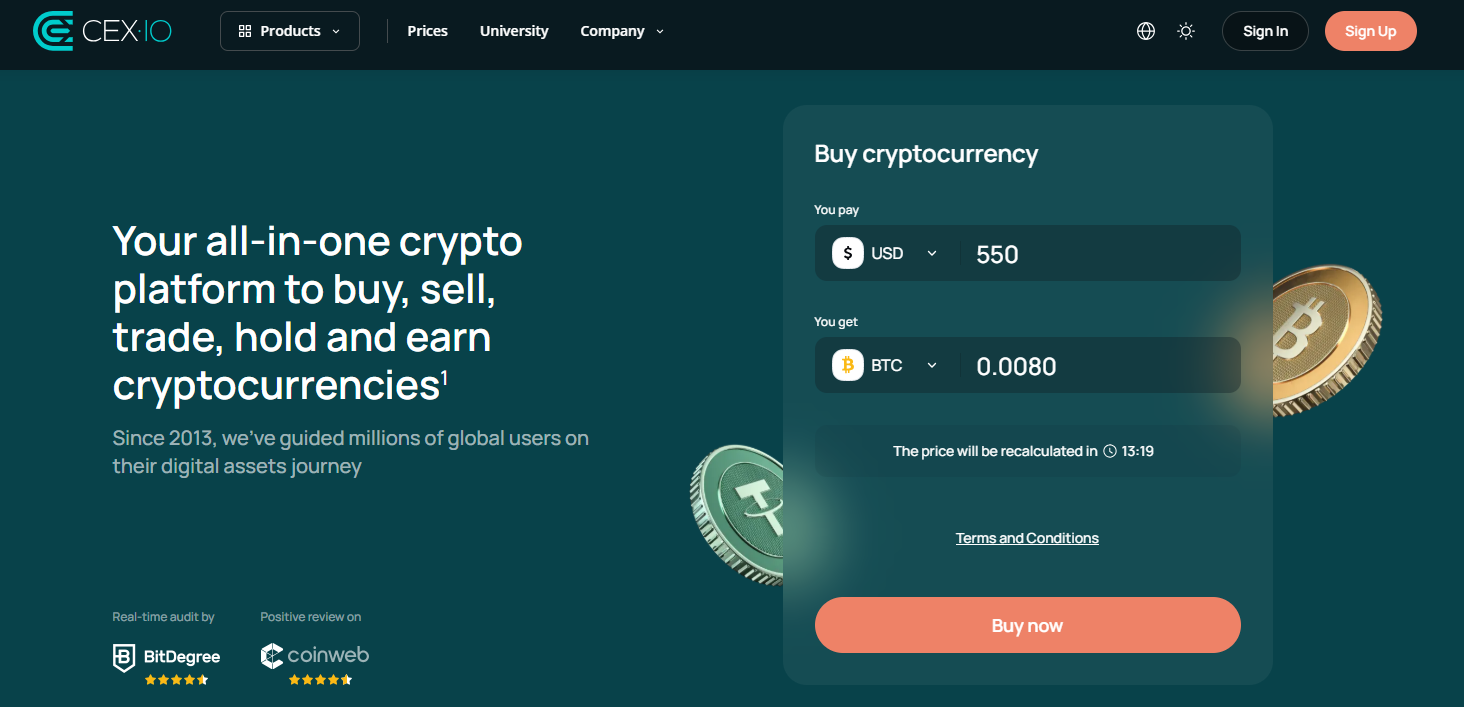

Cex customers encountered significant difficulties with payment processes, particularly when attempting to withdraw funds, with some reporting that their transactions were rejected or stuck in “pending” status. The customer service was frequently described as slow, unresponsive, and unhelpful, with some users noting a lack of real-time human assistance and delayed responses.
Basic Information :
Official website: https://cex.io
Founded: 2013
Location: London, England
Best for: Users who want a secure all-in-one crypto exchange
Features:
Crypto exchange (buy, sell, trade)
Spot & margin trading
Supports fiat payments (card, bank, etc.)
Pricing:
Trading fees vary (~0%–0.25% + service fees)
Deposit/withdrawal fees apply
Pros:
Regulated and secure platform
Beginner + advanced tools
Global availability
Cons:
KYC required
Some fees can be high
Conclusion
Understanding how blockchain nodes connect and rotate is essential for anyone entering the world of crypto and decentralized technologies. These processes ensure that blockchain networks blockchain nodes connect and rotate remain secure, transparent, and efficient by distributing responsibilities across multiple participants. Without proper node connection and rotation, the entire system blockchain nodes connect and rotate could become vulnerable to attacks or centralization.


