



Introduction
Pippal is one of the most revered and recognizable trees in South Asia, known scientifically as Ficus religiosa. Also commonly called the Peepal, sacred fig, or Bodhi tree, it has been valued for centuries for its cultural, spiritual, ecological, and traditional significance. With its heart-shaped leaves, long lifespan, and broad canopy, the pippal tree is an important part of landscapes across the Indian subcontinent.
Beyond its cultural importance, this remarkable tree provides valuable benefits to the environment. It offers shelter and food for birds and insects, contributes to greenery in urban and rural areas, and can become an impressive shade tree when given enough space to grow. Understanding its characteristics, benefits, care requirements, and traditional significance can help people appreciate this fascinating species.
What Is Pippal?
Pippal is a large deciduous or semi-evergreen tree belonging to the fig family, Moraceae. Its scientific name, Ficus religiosa, reflects its long association with religious traditions.
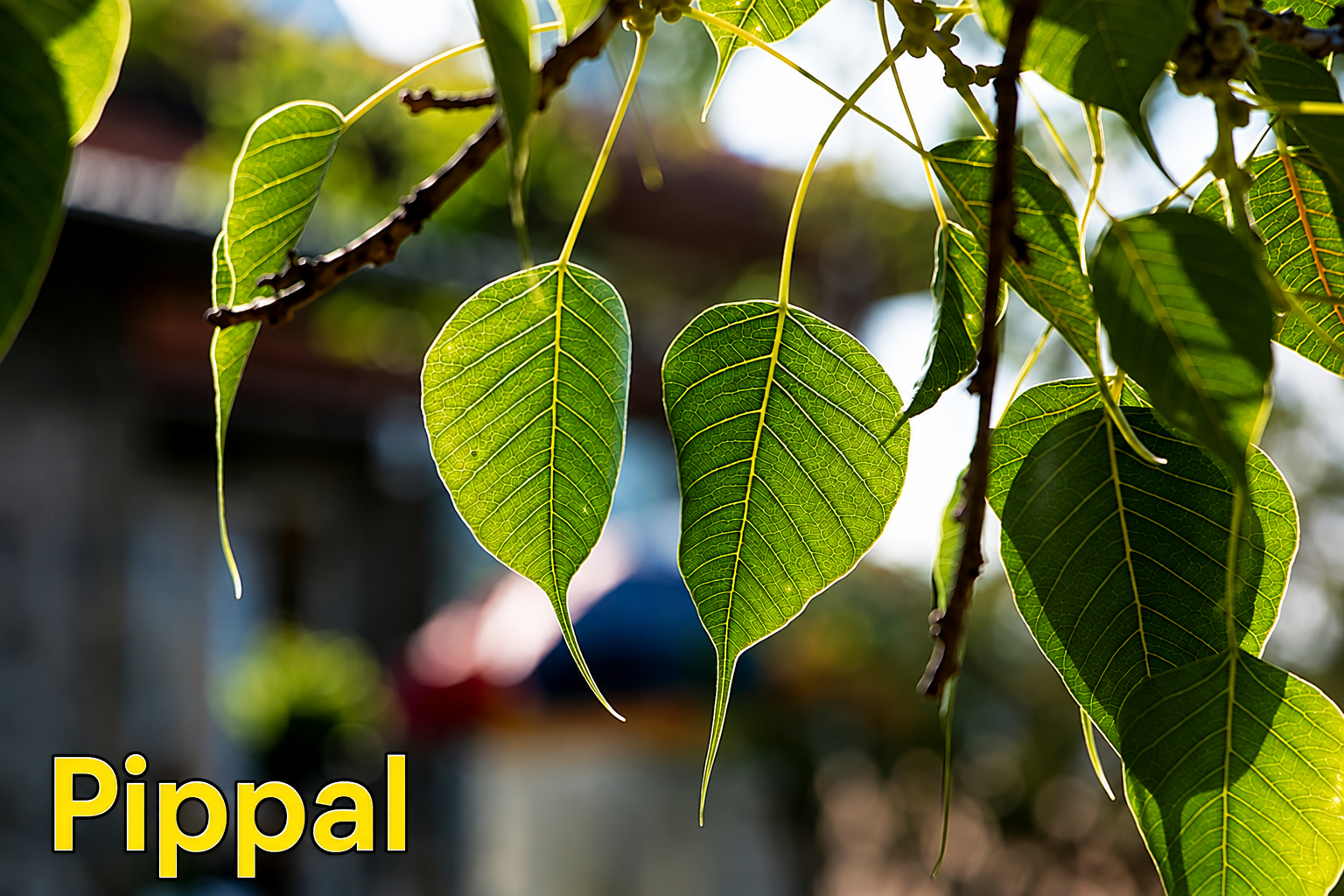
The tree is easily recognized by its distinctive leaves. Each leaf has a broad, heart-shaped base and a long, narrow tip. When the leaves move in the wind, their delicate appearance creates a characteristic visual effect.
Cultural and Historical Importance
The pippal tree has a deep place in the history and traditions of South Asia. It is especially associated with Buddhism because Buddhist tradition identifies the Bodhi tree at Bodh Gaya with the tree under which Siddhartha Gautama attained enlightenment.
The tree also has significance in Hindu and other South Asian traditions. Because of these long-standing associations, mature pippal trees are often found near temples, historical locations, village gathering places, and other culturally important areas.
Its importance is not limited to religious traditions. For generations, communities have also appreciated the tree as a source of shade and as a familiar part of the local landscape.
Environmental Benefits of Pippal
One of the strongest reasons to appreciate pippal is its role in supporting local ecosystems. Like other large trees, it captures carbon dioxide through photosynthesis and contributes oxygen to the atmosphere. A mature tree can also provide valuable habitat for wildlife.
Supports Birds and Insects
The branches and foliage provide nesting and resting places for birds. Its figs can also serve as a food source for various animals, including birds and insects.
Provides Shade
Because pippal can develop a large crown, it can provide substantial shade in suitable locations. This makes mature specimens valuable in landscapes where there is sufficient room for their roots and branches.
Supports Biodiversity
Fig trees can play an important role in ecosystems because their fruits can become available to wildlife at different times. This helps support a range of organisms that depend on plant resources.
Traditional Uses and Beliefs
Pippal has been associated with numerous traditional practices throughout South Asia. Different communities have developed their own beliefs and customs surrounding the tree, including practices involving its leaves, bark, roots, and other parts.
However, traditional use should not automatically be interpreted as scientifically proven medical treatment. Anyone considering plant-based remedies should consult a qualified healthcare professional, particularly when dealing with a medical condition or taking medication.
How to Grow and Care for Pippal
Pippal is generally a vigorous tree when grown under suitable conditions. Before planting one, however, it is important to consider its eventual size.
Choose the Right Location
Plant the tree in an open area with plenty of room for growth. Avoid planting it immediately beside buildings, underground utilities, walls, drainage systems, or other structures because its extensive root system can become problematic as the tree matures.
Provide Adequate Sunlight
Pippal grows well in bright sunlight. A location with plenty of direct light generally supports stronger and healthier growth.
Water Young Trees Properly
Newly planted trees need regular watering while their root systems become established. Once established, pippal can be considerably more tolerant of normal environmental conditions, depending on the local climate and soil.
Allow Enough Space
This is one of the most important considerations when planting a pippal. A small young plant can eventually become a very large tree, so its future size should be considered before selecting a planting location.
Pippal vs. Other Fig Trees
Pippal belongs to the same broad botanical family as several other well-known fig trees. However, its distinctive leaf shape and cultural importance make it easy to distinguish.
Unlike some smaller ornamental figs, a mature pippal can become a substantial tree with a broad crown. Its heart-shaped leaves and long leaf tips are among its most recognizable features.
Important Things to Consider Before Planting
Although pippal is an attractive and valuable tree, it is not suitable for every garden.
Consider these points before planting:
- Choose a location with plenty of open space.
- Keep the tree away from foundations and underground infrastructure.
- Consider its eventual height and canopy size.
- Provide adequate sunlight.
- Water young plants regularly until established.
- Check local planting regulations where applicable.
- Avoid removing mature trees unnecessarily because they can provide valuable habitat and shade.
Conclusion
Pippal is much more than an ordinary shade tree. Its distinctive appearance, impressive growth, ecological value, and centuries-old cultural associations make it one of South Asia’s most notable trees. Whether you are interested in gardening, biodiversity, history, or traditional culture, learning about this species offers a fascinating look at the relationship between people and nature.
